
What is the difference between construction regulations in Florida and other U.S. states, and what should homeowners really take into account?
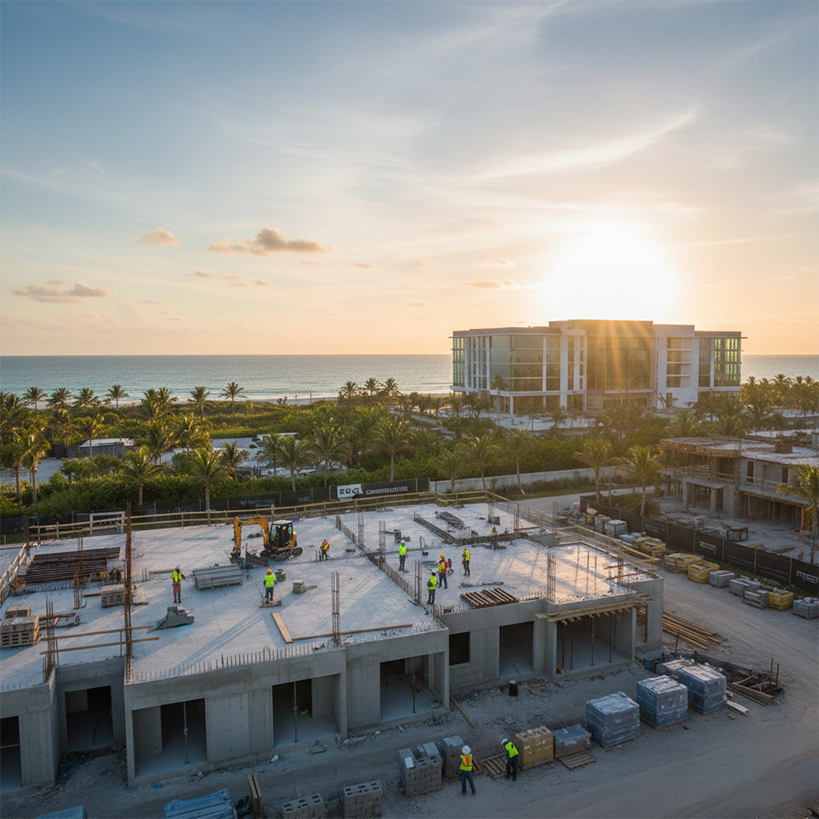
Construction regulations vary across the United States, but construction regulations in Florida are among the strictest in the country. This is mainly due to the state’s constant exposure to hurricanes, extreme winds and severe weather conditions that place residential and commercial structures at higher risk. Because of this, homeowners planning to build, remodel or replace a roof in Florida must understand how local rules differ from those in other states.
Climate factors that influence Florida’s construction standards
In many U.S. states, building codes focus primarily on energy efficiency, fire resistance, snow loads or general structural stability. Florida building codes, however, prioritize protection against hurricanes and tropical storms. These regulations are especially strict in coastal and southern regions, where wind pressure and storm impact are significantly higher.
As a result, construction regulations in Florida require stronger materials, reinforced assemblies and specialized installation methods designed to withstand extreme weather events.
Wind resistance requirements
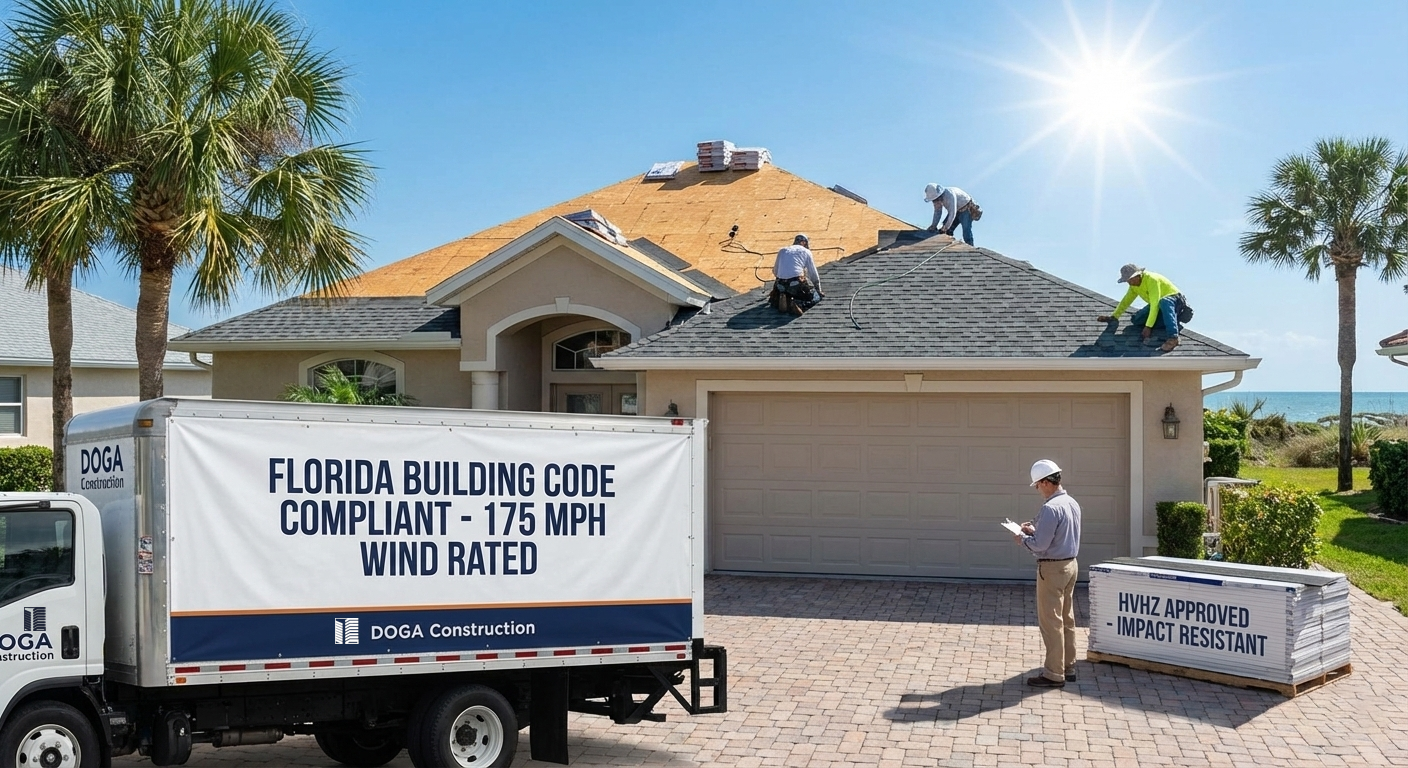
While roofing systems in other states are often designed to handle winds between 90 and 120 mph, Florida construction requirements demand resistance levels of 150 mph to more than 180 mph, depending on the location. Areas such as Miami, Fort Lauderdale, West Palm Beach and the Florida Keys are subject to the most demanding standards.
Mandatory impact-resistant materials
In most states, impact resistance testing is optional or limited. In Florida, particularly within the High-Velocity Hurricane Zone, roofing materials must pass impact tests that simulate airborne debris during storms. This affects the selection of tiles, metal panels, underlayment systems, fasteners and sealants.
Reinforced installation methods
Another major difference between roofing regulations in Florida and other states lies in how materials are installed. Even approved materials must follow Florida-specific installation procedures, including hurricane-rated fasteners, reinforced nailing patterns, upgraded underlayment systems, enhanced sealing and anti-uplift barriers designed to resist pressure changes during storms.
Permits, inspections and compliance
In many states, a roofing project may require only a simple permit and a final inspection. Florida construction regulations often involve multiple inspections throughout the process, including pre-installation, tear-off, mid-installation and final approval. These inspections ensure full compliance with Florida building codes at every stage.
Key considerations for homeowners in Florida
Homeowners must carefully evaluate material certifications, contractor licensing and insurance requirements before starting a project. Using non-compliant materials or hiring an unlicensed contractor can result in failed inspections, denied insurance claims and long-term structural risks. Choosing a roof based only on appearance or cost may lead to serious legal and safety issues.
Understanding construction regulations in Florida helps homeowners make informed decisions, protect their investment and ensure their property can withstand severe weather conditions. Unlike many other states, construction in Florida is not just about design or aesthetics; it is a critical safety measure that directly impacts durability, property value and long-term protection.